The Department of Homeland Security (DHS) operates in complex mission environments, requiring timely interpretation of massive unstructured information. Large Language Models (LLMs) offer a path to improve real-time intelligence and decision-making.
Why It Matters Now
DHS's mission environments, from border security to disaster management, demand rapid interpretation of shifting information. Operational teams face challenges with fragmented reports and isolated data streams. LLMs, aligned with DHS's 2024 AI Roadmap, can transform these challenges into opportunities for enhanced intelligence and coordination.
LLMs can elevate real-time intelligence, improve operational coordination, and accelerate decision-making.

How TechSur Approaches It
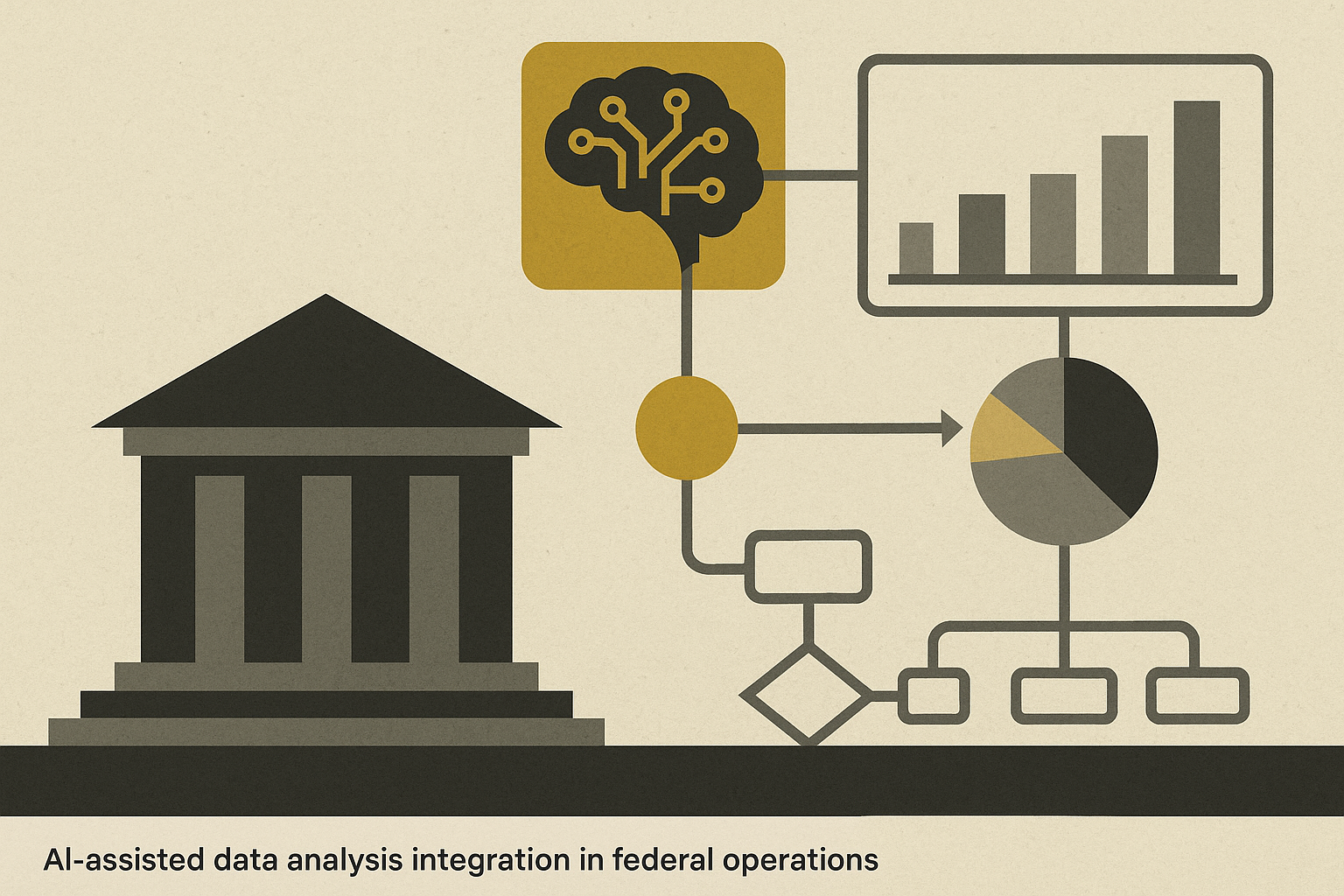
LLMs assist DHS by producing decision-ready summaries from diverse data sources like field notes, open-source intelligence, and network logs. This capability reduces documentation time significantly, as demonstrated in public-sector proofs of concept.
Studies indicate that LLMs can extract threat indicators and generate clear intelligence briefs, streamlining the analysis process. For instance, LLMs can consolidate sensor alerts and related data into a coherent intelligence brief, enhancing situational awareness.
LLMs help by reading across formats and producing short, decision-ready summaries.
What It Looks Like in Practice
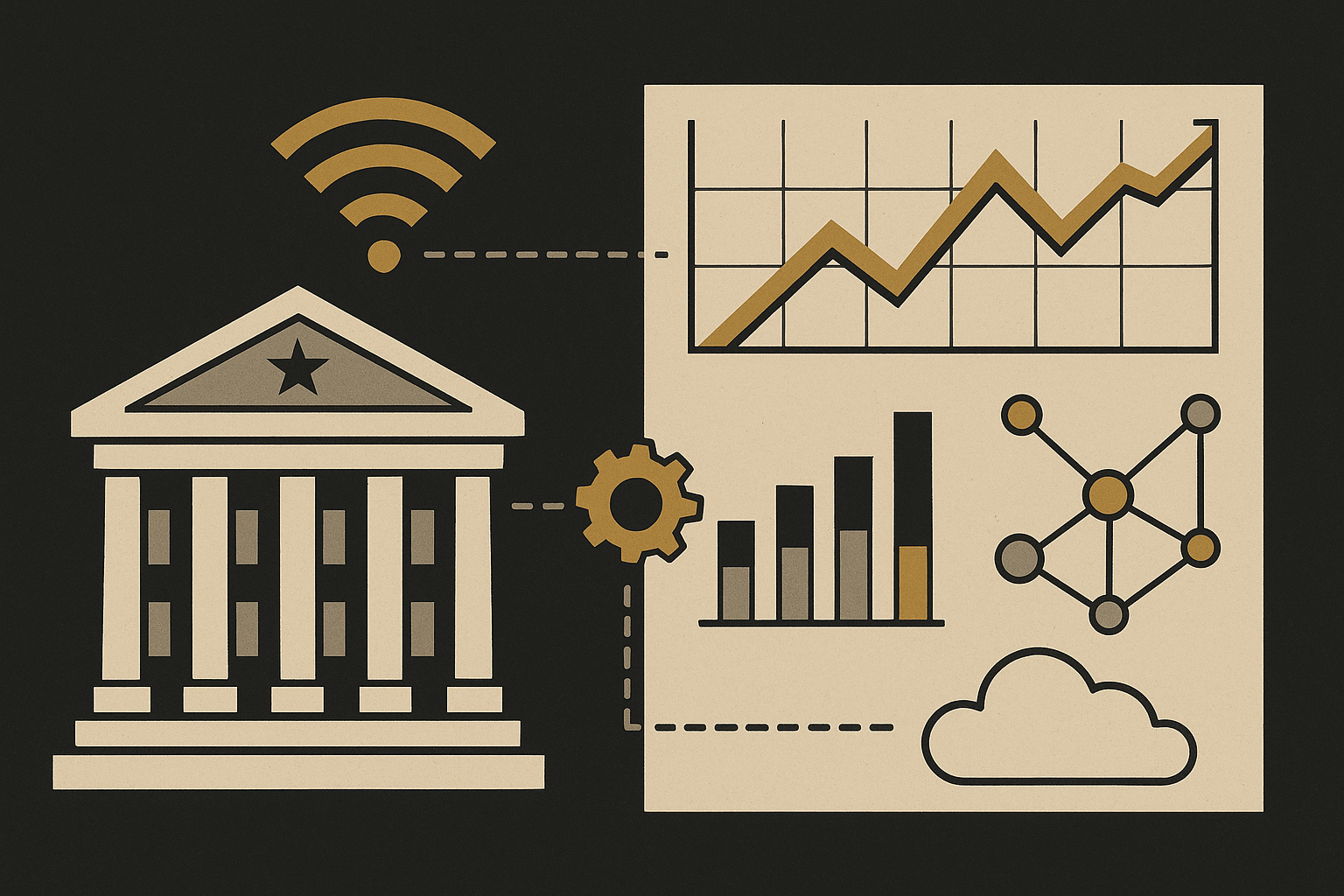
DHS increasingly uses IoT and cyber-physical systems, where LLMs detect anomalies and potential threats. In cyber operations, LLMs expedite tasks like malware classification and vulnerability review, addressing staffing constraints and improving threat response.
Commercial sectors use LLMs for real-time intelligence, a practice DHS can adopt for faster threat detection and situational awareness. Federal pilots demonstrate LLMs' potential in enhancing operational workflows and summarizing critical information.
LLMs can interpret variations to detect spoofing attempts, tampering, or unusual device behavior.
What to Do Next
As DHS expands AI pilots, adopting modern AI architectures will improve accuracy and safety. Secure deployments and data governance ensure reliable outputs. Cross-agency knowledge-sharing, supported by LLMs, requires strict data governance and interoperability to unify DHS systems and workflows.
Successful cross-agency knowledge-sharing requires strict data governance, transparency, and bias-mitigation measures.