
Modernizing federal procurement is vital. Outdated processes hinder efficiency.
The Need for Cultural Change
U.S. federal agencies have been undergoing procurement modernization efforts for years, including e-procurement platforms, digital solicitations, and AI oversight. However, many fall short not because the tools are flawed, but because the underlying culture remains unchanged.
Procurement modernization is often seen as a systems implementation: installing a new contract system, digitizing forms, and centralizing data. While these upgrades are necessary, they are not enough. True modernization requires changing the behaviors, mindsets, and operating models of the acquisition workforce. Even the best systems will fall short without addressing training, accountability, collaboration, and change readiness.
True modernization requires changing the behaviors, mindsets, and operating models of the acquisition workforce.

Executive Order 14240 and Its Implications
This challenge is urgent under Executive Order 14240, which mandates consolidating common goods and services procurement under GSA. Centralizing procurement involves more than transitioning to a new platform; it requires aligning agencies under a unified vision of accountability, efficiency, and mission focus. This alignment begins with culture.
The procurement culture in many agencies remains compliance-oriented and risk-averse, traits that, while stemming from good intentions, often lead to inefficiency. Lengthy approval chains, redundant documentation, and siloed decision-making are not merely symptoms of outdated systems but also of deeply ingrained habits.
Centralizing procurement requires aligning agencies under a unified vision of accountability, efficiency, and mission focus.
Overcoming Cultural Barriers
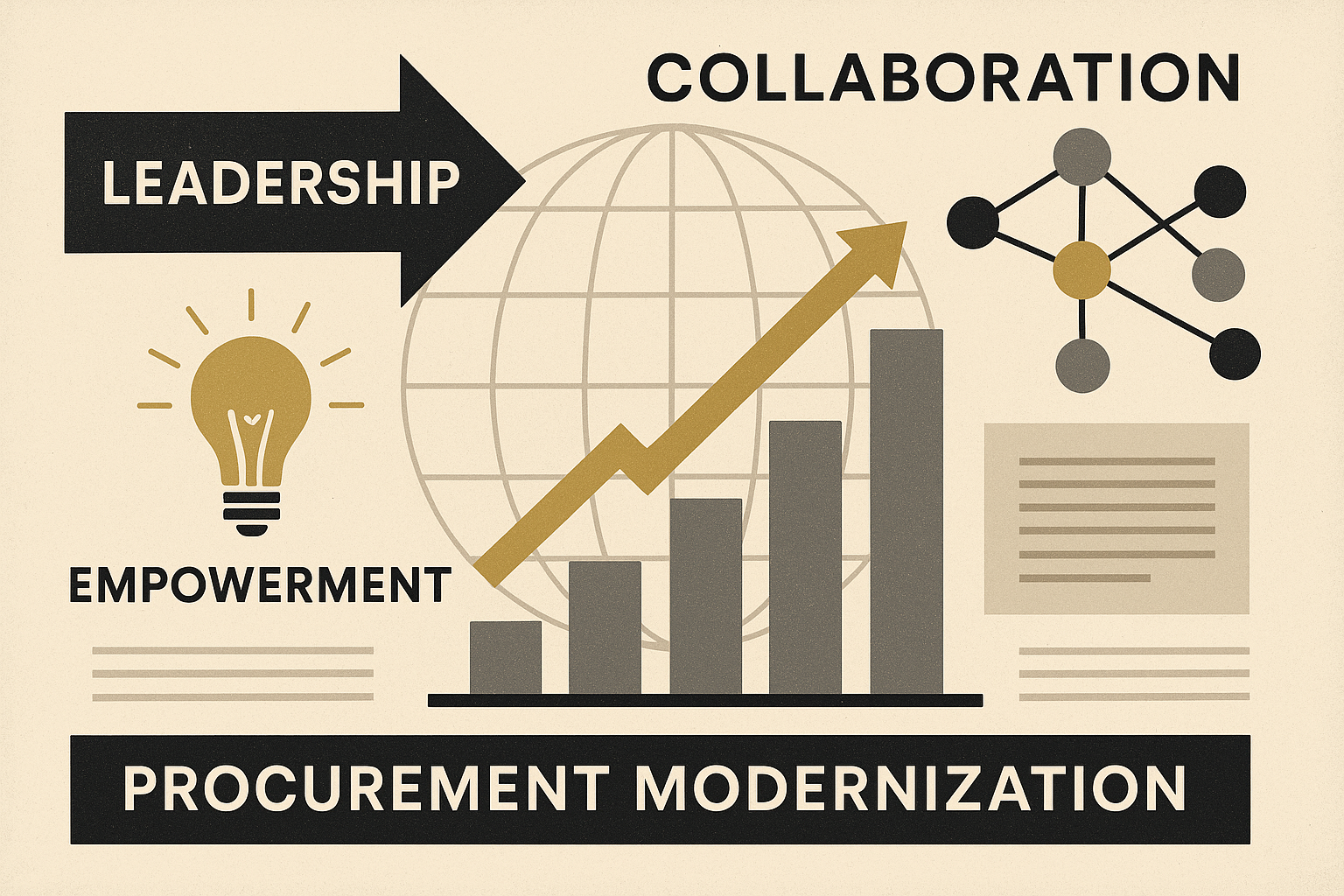
Changing this culture requires more than just issuing policy memos. It demands active leadership, strong role modeling, and a commitment to developing new competencies. Acquisition professionals need to feel empowered to use modern tools, supported in exercising judgment, and incentivized to prioritize outcomes over processes for their own sake.
Key elements of a modern procurement culture include empowerment, collaboration, and a focus on outcomes.
Acquisition professionals need to feel empowered to use modern tools and prioritize outcomes.
Success Stories and Skills Development
Federal success stories demonstrate that culture change is achievable. For example, DHS’s Procurement Innovation Lab created a 'safe space' for teams to test new acquisition techniques without fear of noncompliance backlash. Agencies adopting GSA’s FAS Catalog Platform are reevaluating how they assess vendors, not just for compliance, but for long-term value.
Importantly, agencies must pair cultural change with skills development. As technology automates repetitive tasks, procurement professionals must evolve into more strategic roles: analysts, advisors, and risk managers.
Agencies must pair cultural change with skills development to evolve procurement roles.
TechSur's Role in Modernization
TechSur Solutions understands that modernization of procurement includes both people and platforms. Beyond providing acquisition systems, TechSur supports a culture of continuous improvement. This includes integrating intuitive user experiences, embedding training into workflows, and configuring systems for agile procurement and risk management.
Our experience with modernization efforts across federal agencies, especially GSA, combined with tailored change management, upskilling, and mission-focused advisory, ensures agencies adopt new tools and evolve the culture necessary for effective use.
TechSur supports lasting change by addressing both technology and the people who use it.

Conclusion: A Call to Action
Federal procurement is undergoing much-needed modernization, but technology alone will not transform outcomes. A modern contract writing system without a contemporary acquisition culture is akin to a high-performance vehicle driven in first gear. The agencies that thrive under Executive Order 14240 and beyond will be those that acknowledge culture as the true enabler of efficiency, accountability, and impact.
Leaders must ask: are we equipping our teams not just with better tools, but also with improved ways of thinking and working? Are we empowering our procurement professionals to act with agility, collaborate, and question outdated practices?
Procurement modernization starts with systems, but it is achieved or hindered through culture.