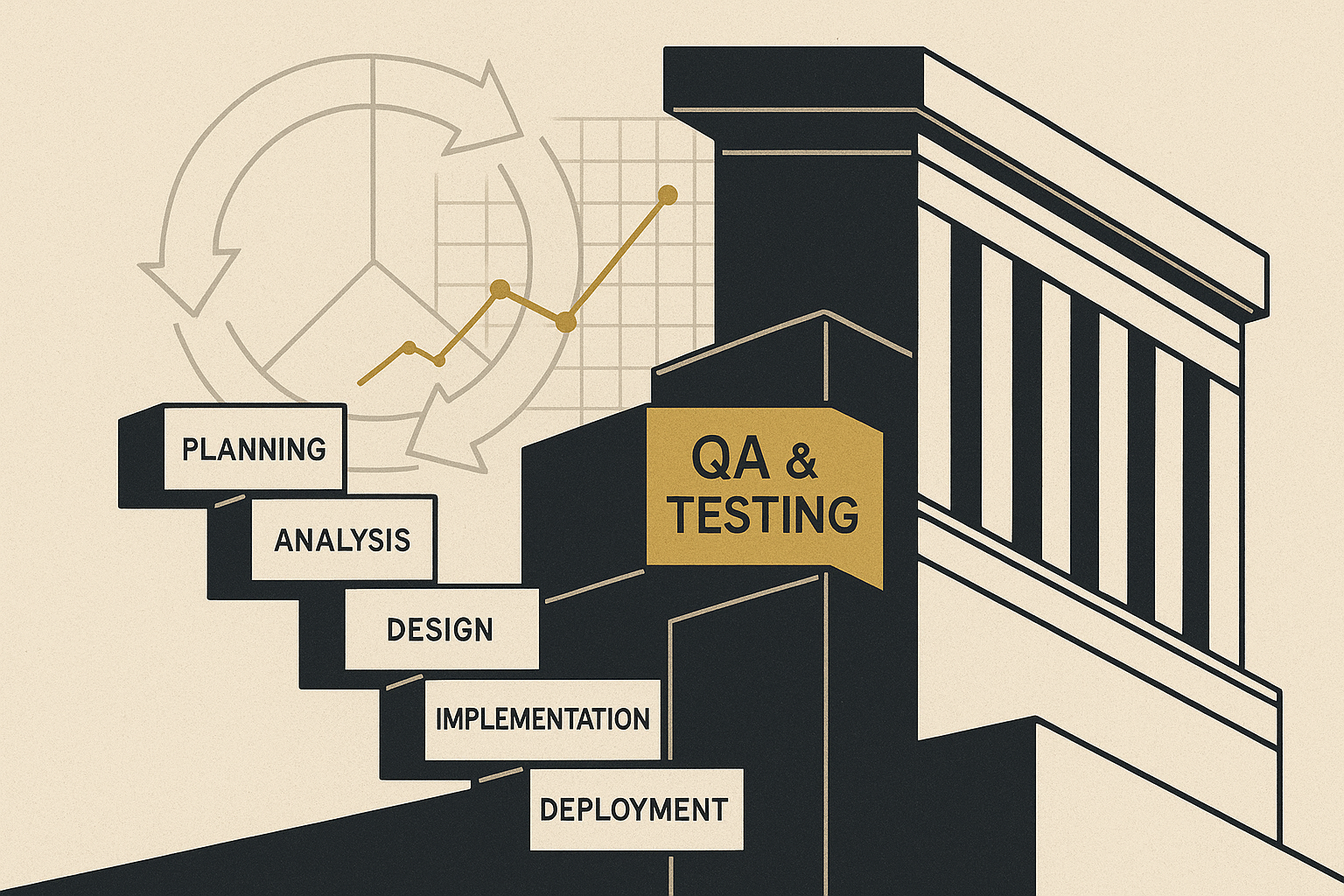
Engineering teams often spend over 25% of their development time addressing quality issues discovered late in the cycle, which can be costly and time-consuming.
The Challenge of Late-Stage Quality Issues
When acceptance criteria are unclear and test creation lags behind coding, defects slip into production and cost significantly more to fix than if caught early. Organizations can automate QA at scale by combining Behavior-Driven Development (BDD) with AI-powered test generation, accelerating feedback and improving product quality.
Defects caught late in development can cost ten times more to fix.
BDD: Clarity and Collaboration
BDD turns user stories into executable, human-readable scenarios ('Given-When-Then'), aligning developers, testers, and business stakeholders around a single source of truth. This collaborative approach eliminates misunderstandings: teams using BDD report virtually no delay in feedback between requirements and tests.
BDD aligns teams with a single source of truth, eliminating misunderstandings.
AI-Driven Test Generation
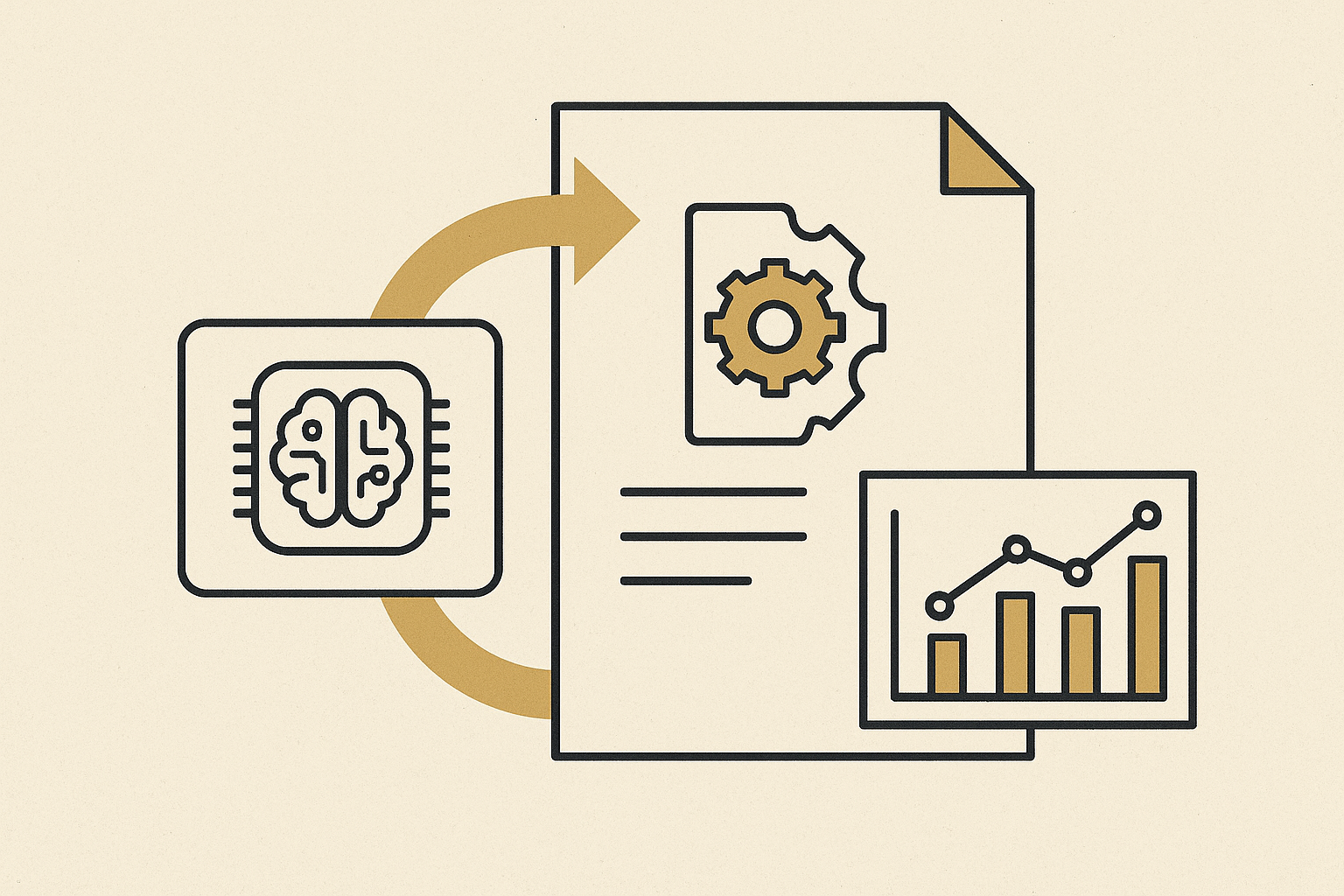
Once BDD scenarios are defined, AI-driven engines can produce fully formed test stubs (Cucumber feature files, Jest scripts, or Selenium suites) in seconds. An AI copilot can automatically maintain and update test cases, reducing manual test-creation effort and ensuring comprehensive coverage.
AI reduces manual test creation effort by over 50%.
Integration with CI/CD Pipelines
Auto-generated tests integrate directly with CI/CD pipelines and run on every commit. This ensures that as soon as code is committed, QA runs regression tests in parallel, catching defects before they reach staging. Teams with AI-driven test pipelines see a significant reduction in time-to-detection for critical bugs.
AI-driven test pipelines reduce time-to-detection for critical bugs.
Case Study: Genpact's Success
A compelling case study by Genpact details their collaboration with an investment management firm to enhance their BDD testing process using generative AI. This integration led to a doubling of software development speed, significantly improving time-to-market.
Generative AI integration doubled development speed.
Conclusion: A Self-Driving QA Engine
Combining BDD’s clear, business-driven scenarios with AI’s rapid test generation creates a self-driving QA engine that catches defects early, reduces maintenance overhead, and frees teams to focus on innovation. Configure your AI test generator to flag any scenario lacking coverage to ensure comprehensive testing.
BDD and AI create a self-driving QA engine.