A major shift is underway in how the U.S. government approaches AI-enabled science. Signed on November 24, 2025, a new executive order directs the Department of Energy (DOE) to build and operate a unified, secure AI platform that brings together federal data, DOE supercomputers, secure cloud resources, and autonomous laboratories into a single discovery engine.
Why It Matters Now
The Genesis Mission places AI at the center of national research infrastructure rather than treating it as a supporting tool. This effort distinguishes itself from earlier federal AI programs by prioritizing integration over experimentation. Instead of funding disconnected pilots, the order calls for a platform-first R&D model designed to close long-standing gaps between data collection, simulation, modeling, and experimentation.
The Genesis Mission is framed as the largest mobilization of U.S. scientific compute and data since Apollo.

How TechSur Approaches It
Over the past few years, AI use expanded rapidly across federal agencies, but mostly through standalone pilots. Agencies now operate around 1700 active AI use cases, which reflects momentum but also reveals fragmentation. Models, datasets, and infrastructure are rarely designed for reuse beyond their original program boundaries.
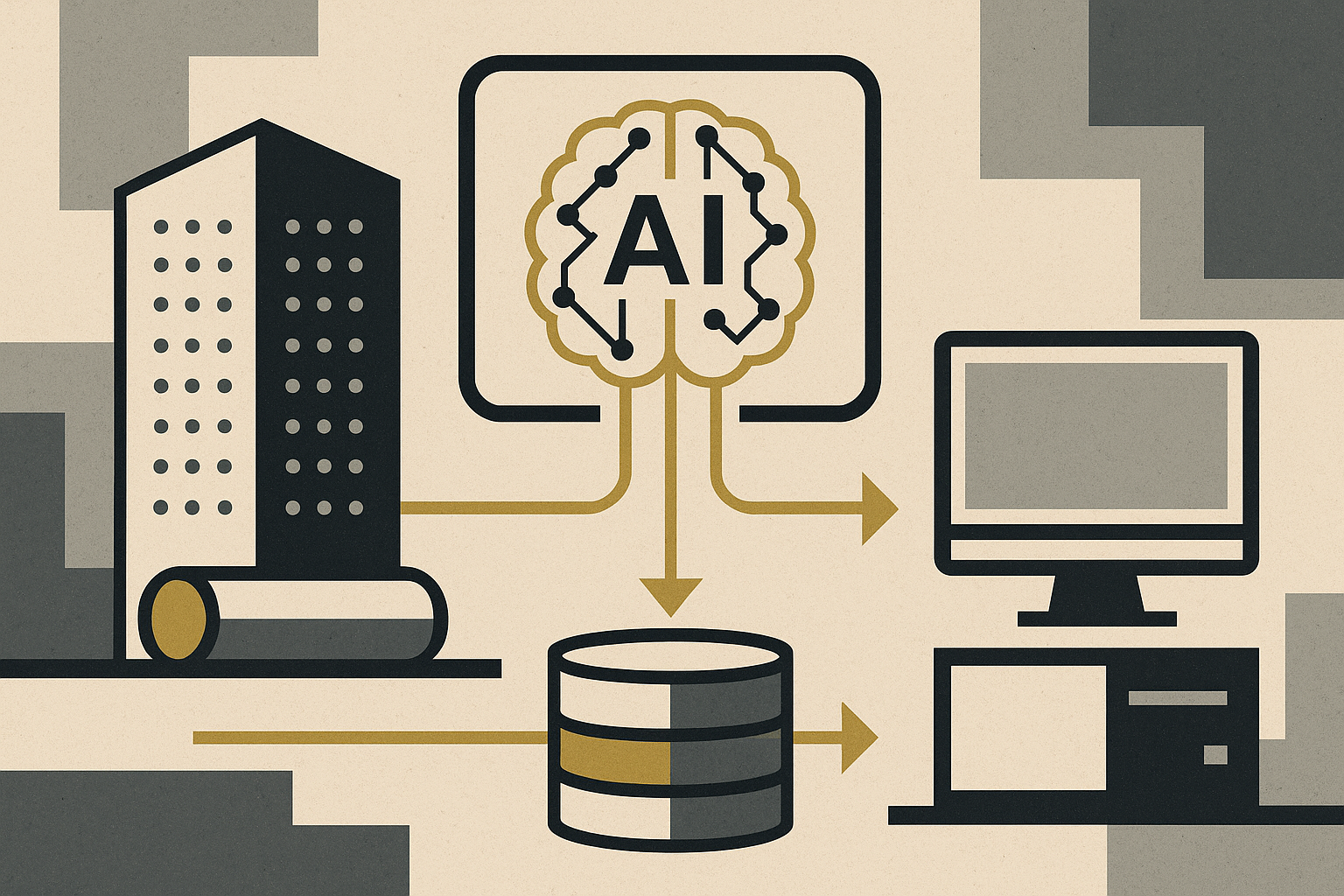
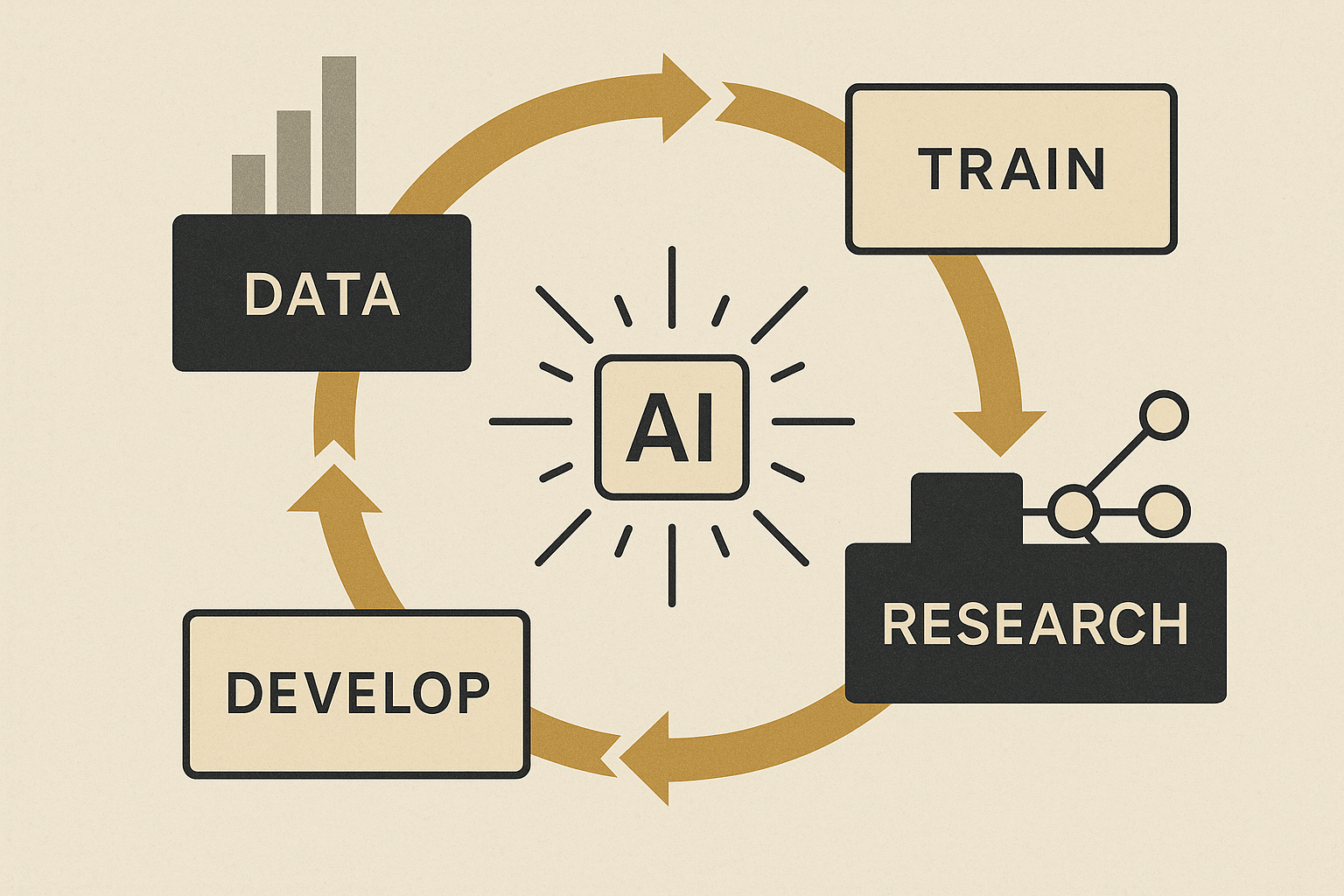
The Genesis Mission addresses these structural limits by integrating compute, data, and models into a shared national capability. This integration collapses multi-year research steps into a continuous, machine-assisted feedback loop, enabling faster discovery across domains.
The platform integrates compute, data, and models into a shared national capability.
What It Looks Like in Practice
The Genesis Mission represents a strategic shift toward a centrally coordinated, security-hardened AI ecosystem. This approach is operationalized through mandates that emphasize shared infrastructure, priorities, and governance.
The closed-loop approach enables continuous iteration and faster discovery, with AI systems generating hypotheses, simulations testing ideas at scale, and robotic labs validating results. This method accelerates discovery in fields ranging from materials science to energy and national security research.
The Genesis Mission is described as 'comparable in urgency and ambition to the Manhattan Project.'
What to Do Next
The shift expands opportunity but also raises the bar for readiness. Moving from isolated pilots to platform participation is crucial for maximizing the impact of AI-enabled science.